
New Tax Law Alert: Could Your Trust Be Taxed Twice?
A client forwarded me a CNBC article with a note: "Does this affect our trust?"
It was a reasonable question. The article described a provision buried in the One Big Beautiful Bill that tax lawyers and accountants are calling a double taxation problem for trusts. They found it in a footnote of a Congressional tax guide released after the law was signed.
The answer to her question: it might. Here is what we know right now.
What the Law Was Supposed to Do
When the One Big Beautiful Bill was signed, the headline for families was the increase in the estate tax exemption. Starting in 2026, the exemption rises to $15 million per person, or $30 million for a married couple, with no scheduled sunset. For families who had been watching that number, it is genuinely good news.
That provision got covered everywhere. A second one didn't.
The increase in exemptions is real, and it matters for some families. But buried in the same law is a provision that affects a much broader group, including families with modest trusts they built for very practical reasons.
The Provision Buried in the Footnotes
The One Big Beautiful Bill imposed a new deduction limitation on high-income individuals. The rule caps the amount certain taxpayers can deduct once they reach the top income tax bracket.
What tax lawyers and accountants discovered is that this limitation now appears to apply to trusts and estates as well.
Here is why that matters. Trusts hit the top income tax bracket far earlier than individual taxpayers do. In 2026, the 37 percent rate kicks in for a trust at approximately $16,000 in taxable income. For a single individual, that same rate does not apply until income exceeds $640,600.
So a modest family trust generating $16,000 in income is now potentially subject to the same limitation that applies to the country's highest earners.
The consequences are specific. Historically, when a trust distributes income to a beneficiary, the trust deducts that distribution, and the income is taxed once, at the beneficiary level. Under this new provision, that may no longer be the case.
Here is how the math works. The One Big Beautiful Bill caps the deduction benefit for taxpayers in the top bracket at 35 cents per dollar, down from 37 cents. That same cap now appears to apply to trusts. Consider a trust obligated to distribute $370,000 in income to a surviving spouse. Under the new limitation, the trust may be able to deduct only $350,000 of the amounts it distributes. The trust owes tax on the remaining $20,000, even though the spouse is also paying tax on the full $370,000 she received. To cover that bill, the trust either dips into its principal or goes back to court to reduce what it pays her. Neither is what the trust was built to do.
A provision most families have not heard about may be creating a double-taxation problem within trusts that were working exactly as intended before the law changed.
Who This Affects
This is not only a problem for large estates. The advisors raising this alarm are specifically calling out families with modest trusts.
One wealth advisor told CNBC: "This is something that is going to affect somebody with a $400,000 special needs trust. It's not just going to be something that $100 million dynasty trusts suffer with."
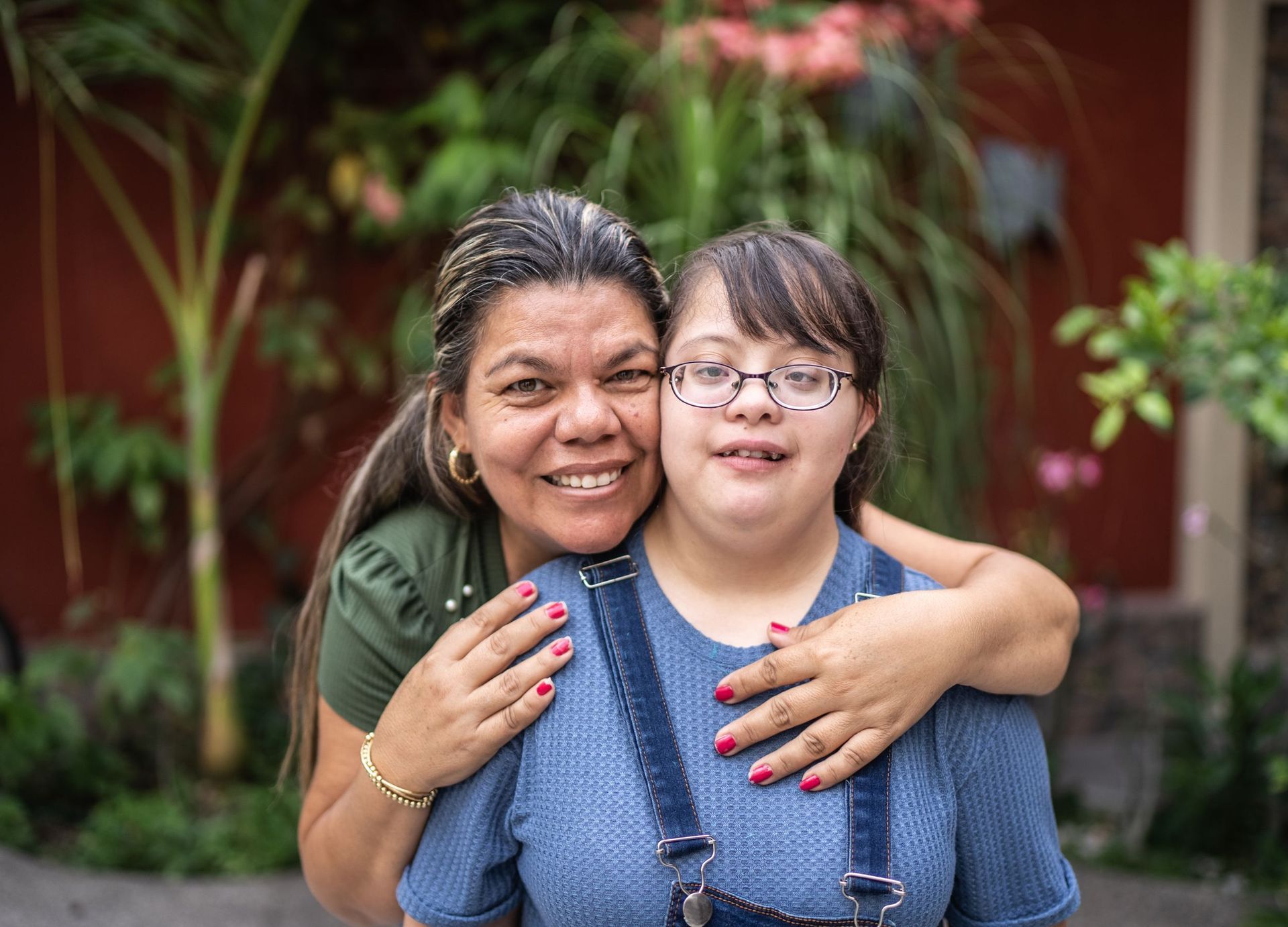
Special needs trusts. If you have a child with a disability and a trust designed to protect their government benefits, that trust may now face this limitation. The trust may owe taxes on the income it distributes to your child, while your child is also paying taxes on that same income.
Trusts for a surviving spouse. Many families set up trusts to provide income to a surviving spouse while preserving the principal for children.
If that trust is obligated to distribute its income, it now faces a real problem: it may owe tax on income the spouse already paid tax on, and paying that bill means either selling assets or going back to court to reduce her distributions.
Life insurance trusts. Irrevocable trusts holding life insurance policies are a common planning tool. If that trust generates taxable income, the new limitation potentially applies.
The common thread is any trust that distributes income to someone who depends on it. The trusts most immediately at risk are those obligated to distribute their income, such as QTIP trusts for surviving spouses, special needs trusts, and irrevocable life insurance trusts that generate taxable income. Trusts with more distribution flexibility may have more options depending on how Treasury guidance ultimately lands.
And the provision applies to income generated in 2026, meaning for some families, this is already in motion.
The bottom line: If you have a trust that distributes income to a beneficiary, this provision may affect how that trust performs. The families most at risk are the ones whose trusts were built to take care of someone: a child with a disability, a surviving spouse, a dependent who relies on those distributions.
What We Know and Don't Know Yet
This provision comes from a footnote in the Joint Committee on Taxation's Bluebook, which is Congress's own explanation of the law. It is not the law itself. Treasury Department guidance could resolve the double taxation concern or clarify which trusts are affected and how.
Advisors who follow this closely are hoping for that guidance. They are also planning as if it may not fully resolve the issue.
"We hope for the best but plan for the worst," one tax attorney told CNBC.
What is clear: the provision applies to this tax year. Waiting for certainty before acting is not a neutral position if your trust is already generating income that may be subject to it.
Guidance from the Treasury could clarify or reduce the impact. It has not arrived yet. Planning now, before the end of the year, is the responsible choice. I am monitoring Treasury Department guidance closely. When that guidance arrives, I will follow up with every client whose trust may be affected. That guidance may entirely resolve the concern for family trusts, limit it to charitable giving, or confirm the double-taxation issue across the board. You will not have to chase me for the update.
What You Can Do Right Now
If you have a trust, this is the moment to make sure it is still working the way you intended.
That starts with understanding what kind of trust it is, what income it generates, and who depends on its distributions. Some trusts can be restructured. Distribution strategies can sometimes be adjusted. In some cases, a different approach serves the original goal better under the new rules than the current structure does.
What I can tell you is that the families who built their trusts did so for real reasons: to protect a child with a disability, to provide for a surviving spouse, to make sure the right people have what they need when they need it. The new law does not change those goals. It raises the question of whether the structure you chose to achieve them still gets you there.

When I work with families on this, we look at the full picture: the trust itself, what it holds, who it benefits, and how the new rules interact with its setup. That is exactly the kind of conversation a Life & Legacy Planning® Session is built for.
This is not a one-size-fits-all review. Your trust was built for your family's specific reasons, and that is how we look at it.
The relationship doesn't end when the documents are signed. When something happens, your family knows to call me.
If your trust has not been reviewed since the One Big Beautiful Bill was signed, that review is overdue.
Schedule a complimentary 15-minute discovery call, and let's find out where your family stands.
This material is provided for educational and informational purposes only and does not constitute ERISA, tax, legal, or investment advice. Legal advice specific to your situation must be obtained separately.